
When it comes to investing in different economic cycles, understanding the nuances of each phase is crucial for maximizing gains and mitigating risks. As markets ebb and flow, investors should adapt their strategies to align with the prevailing economic conditions. This approach ensures that portfolios remain robust across booms, recessions, recoveries, and expansions. Implementing this strategy requires knowing the indicators that signal shifts in the cycle and devising plans that capitalize on these changes.
Investors often face uncertainty when economies shift between growth and decline. However, with the right insights and preparedness, one can navigate these fluctuations effectively. Being proactive rather than reactive in your investment strategy not only safeguards your assets but also positions you to seize opportunities. By understanding economic cycles, you can better anticipate market turns and adjust your portfolio accordingly to preserve capital and enhance returns.
Recognizing economic cycles
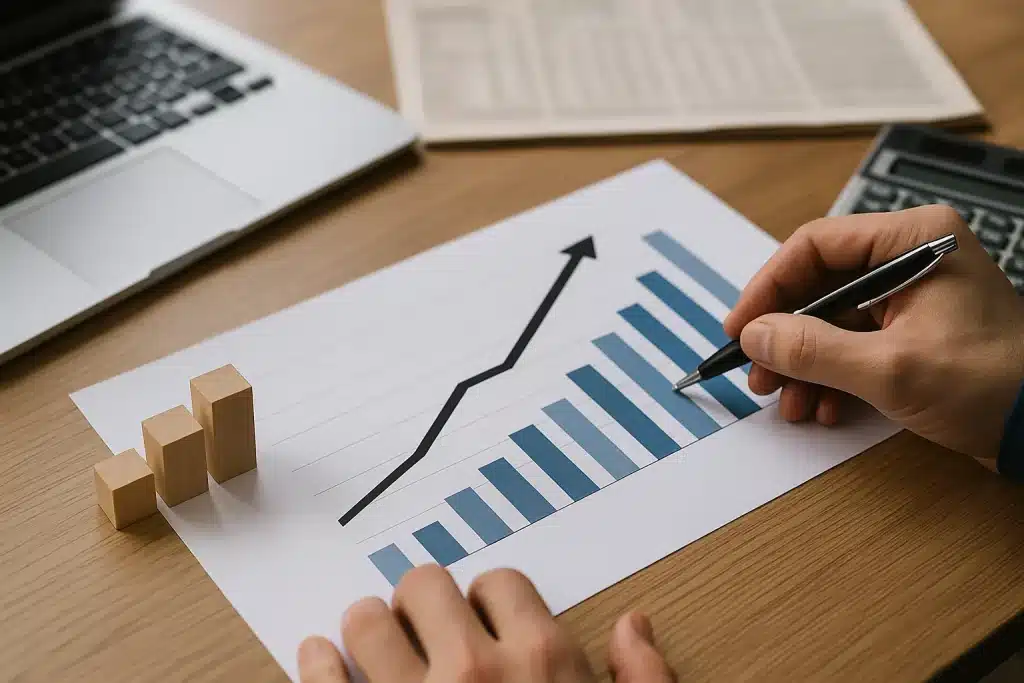
The key to successful investing lies in recognizing the different stages of economic cycles. Each phase—expansion, peak, contraction, and trough—presents unique opportunities and challenges. During expansion, markets are generally favorable, with increased consumer spending and rising GDP, encouraging stock investments. Conversely, the peak phase signals caution as economic growth slows, prompting investors to reassess risk exposure and contemplate defensive assets like bonds.
Contraction, or recession, often triggers a shift towards preserving capital. Investors might favor fixed-income securities or consider diversifying into sectors resilient during downturns, such as healthcare and utilities. The trough phase, however, marks a potential bottoming out, which can be an opportune moment to invest in undervalued stocks with substantial upside potential as the economy begins its recovery.
Strategies for each cycle phase
For expansion periods, growth stocks and equities often thrive due to increased corporate profits and consumer confidence. In this phase, investors might focus on sectors such as technology and consumer discretionary. During peak times, diversifying into dividend-paying stocks or considering a higher allocation in bonds can reduce volatility. Bonds often provide steadier returns during downturns and can balance portfolio risk.
In contraction phases, liquidity management becomes crucial. Maintaining cash reserves allows investors the flexibility to capitalize on market opportunities as stocks become undervalued. Similarly, sectors like consumer staples offer relative stability as they provide essential goods regardless of economic conditions. As recovery begins during the trough, attention can shift back to cyclical stocks poised for growth in an improving economic environment.
Practical applications and portfolio adjustments
Investors must regularly monitor economic indicators and adjust their portfolios to reflect current and anticipated cycle phases. Keeping abreast of key metrics such as unemployment rates, inflation, and consumer confidence can guide investment decisions. For instance, rising inflation might prompt a shift towards inflation-protected securities or commodities that perform well in such environments.
Allocating assets according to cycle phase can not only enhance returns but also minimize risks. Rebalancing portfolios to suit changing conditions ensures that investments align with market dynamics and personal risk tolerance. Employing these practical strategies helps in capital preservation and capitalizes on market opportunities, securing financial growth across economic cycles.
Conclusion: mastering economic cycles in investing
Successfully investing in different economic cycles involves more than just adapting to the current economic climate—it requires foresight and strategic asset management. By understanding the intricacies of economic phases and implementing responsive investment strategies, investors can safeguard their portfolios against adverse conditions and capitalize on opportunities as they arise.
Ultimately, the art of investing in differing economic conditions lies in a balanced approach that maintains readiness for change. Navigating these cycles wisely assures not only capital preservation but the potential for significant growth, enhancing long-term financial stability and prosperity. These strategies foster resilience and empower investors to thrive regardless of economic environment shifts.