
International financing is a complex yet vital aspect of global commerce, helping businesses expand across borders and investors diversify their portfolios. Understanding how financing mechanisms work in different regions can provide insights into economic dynamics and reveal opportunities for growth.
Let’s explore the intricacies of financial practices worldwide, examining the various strategies countries use to facilitate cross-border investments and ensure financial stability. These approaches often involve a complex mix of regulatory frameworks, tax incentives, and monetary policies designed to attract foreign capital while mitigating systemic risks.
How international financing systems operate
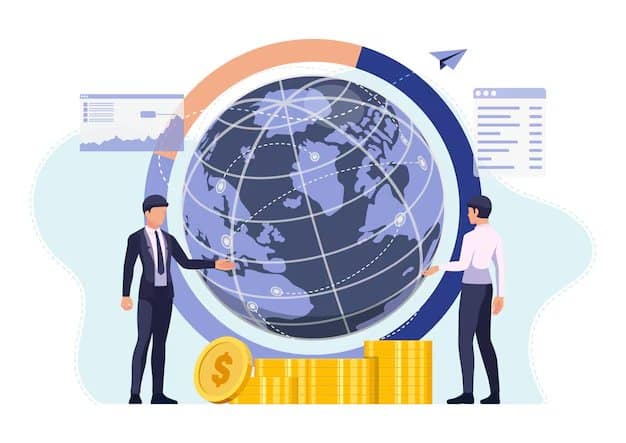
The principles of international funding vary significantly across the globe, often reflecting a country’s economic strategies and regulatory environments. In some regions, like the European Union, financial operations are heavily regulated to ensure transparency and protect investors. Meanwhile, emerging markets might prioritize attracting foreign capital by offering incentives and reducing entry barriers. These differing approaches can impact everything from interest rates and capital flow to currency stability.
Understanding these systems requires not only knowledge of economic policies but also an awareness of cultural factors that influence financial behavior. The success of global financing initiatives often hinges on the ability of institutions to adapt to these diverse environments while maintaining effective risk management practices.
Regulations and frameworks impacting global finance
Regulatory frameworks are pivotal in shaping how cross-border funding is managed. Developed nations generally have stringent guidelines that foster reliability and mitigate risks. These may include comprehensive banking regulations, anti-money laundering laws, and transparency requirements aimed at safeguarding both lenders and borrowers.
In contrast, nations with developing economies might face challenges due to less mature regulatory structures, potentially leading to higher risks for investors. However, these countries often offer lucrative opportunities for those willing to navigate their unique landscapes, with sectors like infrastructure and technology being particularly attractive for international financiers.
Tools and strategies for successful international investments
Effective tools and strategies can enhance the success of global investments. Currency hedging, for example, protects against fluctuating exchange rates, while diversification across markets minimizes risk exposure. Engaging local expertise is another valuable tactic, as it helps investors understand market nuances and regulatory intricacies.
Leveraging joint ventures or partnerships with local firms can be beneficial, offering insights and credibility in unfamiliar territories. Financial professionals recommend maintaining a flexible approach, ready to adapt to changing market conditions. Additionally, staying informed about geopolitical developments and economic trends is crucial for making informed investment decisions.
Benefits and challenges of embracing global finance
International financing offers numerous benefits, including access to a broader range of investment opportunities and the potential for higher returns. Developing economies can particularly benefit from foreign capital, which supports infrastructure development and economic growth. Nonetheless, engaging in global finance entails challenges such as currency volatility, regulatory differences, and geopolitical risks.
For businesses, successfully navigating these challenges requires strategic planning and thorough risk assessment. Companies must invest time and resources in understanding regional markets and build strong relationships with local partners. Ensuring compliance with international regulations and adapting to fluctuating market conditions are essential strategies for mitigating potential downsides.
In conclusion, international financing serves as a cornerstone for global economic integration, allowing resources to flow efficiently across borders. While the landscape is fraught with challenges, understanding how financial systems function in different countries can empower businesses and investors to make informed decisions. By employing effective strategies, embracing regulatory frameworks, and acknowledging cultural factors, stakeholders can navigate the complexities of global finance with confidence.