
Embedded insurance is transforming the way auto financing works by integrating protection seamlessly into the purchasing process. As the focus keyword suggests, embedded insurance allows buyers to acquire coverage at the same time they’re buying a car, removing the need for a separate policy arrangement.
Many consumers find traditional insurance processes cumbersome and disconnected from purchasing a vehicle. Typically, arranging for car insurance is a secondary, often stressful step following the financial contract signing. By using embedded protection, this hurdle is removed, making for a more streamlined consumer experience.
Understanding embedded insurance in auto loans
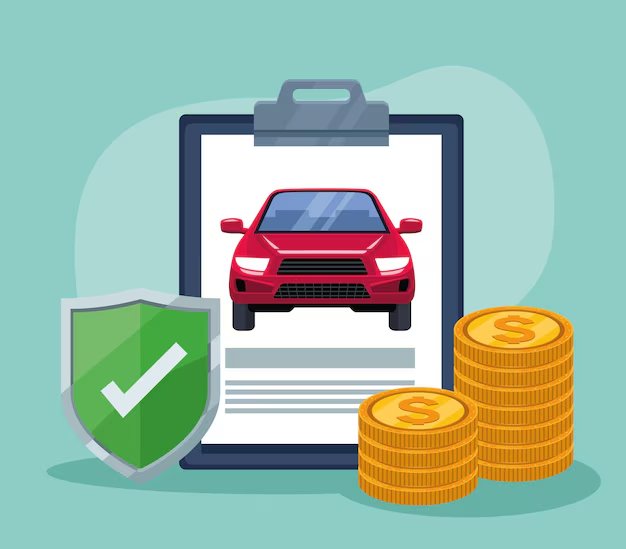
Essentially, embedded insurance means that coverage is automatically included with the loan offered by the dealer or financial institution. This concept differs from traditional options, where buyers must secure insurance separately. Including it in the financing package simplifies the process and provides immediate coverage upon vehicle purchase. Therefore, buyers benefit from reduced stress and immediacy, knowing they are protected as they drive away with their new car.
Further, including insurance as part of the total financial package can potentially lead to competitive pricing. By bundling services, financial institutions may offer discounts on premiums, providing additional value to the customer. These cost savings can be particularly attractive to first-time car buyers or those with tight budgets, enabling them to balance cost and convenience efficiently.
Advantages of bundling coverage with auto loans
The primary advantage of embedded insurance is convenience. Prospective car owners can take care of both financing and protection in one go. The embedded model also reduces the paperwork and potential delays associated with separate applications. Additionally, because the insurance is part of the total loan package, customers may benefit from more competitive rates.
Moreover, this method attracts a broader range of consumers who may otherwise be deterred by the complexity of piecemeal processes. Simplified procedures foster a more positive consumer experience, encouraging brand loyalty and repeat business for dealerships and lenders alike.
The impact on lenders and consumers
For lenders, integrating insurance products into auto financing opens up new revenue streams and sets them apart in a competitive market. Providing a comprehensive package that includes protection and financing can attract more clients who seek convenience and peace of mind.
From a consumer perspective, embedded insurance offers simplicity and quick access to necessary coverage. With a single payment structure, handling finances becomes less daunting. In addition, the immediate protection ensures that unforeseen events occurring shortly after purchase, such as accidents or theft, are quickly resolved without the hassle of contacting multiple parties.
Implementing embedded insurance for practical benefits
To maximize the benefits of embedded insurance, consumers should discuss all options with their dealer during the financing process. It is crucial to understand the terms completely, including any costs or conditions involved. Additionally, comparing packages across different lenders might reveal better deals or more suitable packages.
For lenders, continuous evaluation of their insurance partners can ensure the best possible rates and coverage options for their clients. By regularly assessing customer feedback, they can refine the integration process, making sure it aligns well with market expectations and consumer needs.
The future of automotive financing and protection
As the automotive industry evolves, embedded insurance is likely to become increasingly common, offering a modern solution to age-old challenges. This synergy between insurance and financing not only enhances the consumer experience but also elevates the standard of service in the automotive sector.
In future scenarios, we can expect even more personalized offerings, with technology aiding in tailoring solutions to specific consumer needs. As both lenders and consumers recognize the value of this integrated approach, engagement is set to grow, shaping the car buying process globally. This evolution promises a more efficient, customer-centric marketplace, where convenience and security walk hand in hand.